Where the Service Boundary Falls
Tennessee sees flooding from heavy rain, overflowing waterways, and drainage problems. That makes water removal relevant statewide, but does not establish risk for a particular address. The Great Smoky Mountains National Park and Cumberland River Bicentennial Trail are distinct geographic reference points within the state.
Homes and small businesses across Tennessee have different layouts and floor materials, so a spill can affect different areas. The Tennessee Walking Horse National Celebration and Birthplace of Country Music Museum offer separate points of reference across the state, not measures of any property's flood exposure.
Tennessee’s residential service areas span urban neighborhoods, small communities, and rural settings. A ZIP code gives broad location context, but it cannot confirm whether the pros we connect you with serve a specific property; share the address to check availability.
When Another Trade Is Needed
- DIY RANGE
- A wet vacuum collects liquid at its pickup point; a pump can move pooled water from an affected area into a discharge line.
- MATERIAL FIT
- Water absorbed by carpet, trim, or cabinets may extend beyond the reach of household collection tools.
- TOOL CAPACITY
- Pumps move pooled water, while wet vacuums collect accessible liquid; neither checks whether materials are dry.
- SAFETY
- Water can travel beneath flooring after the visible surface clears, so a dry appearance alone cannot confirm that the layers below are dry.
- NEXT STEP
- Share which building materials were affected with the licensed pros we connect you with so they can discuss appropriate options.
- DRYING PHASE
- Tennessee's winter and early spring can bring flood concerns, while heavy rain and thunderstorms also occur at other times. Season alone cannot show a property's exposure. Judge the actual spread and affected materials after water enters.
- ESTIMATE DETAIL
- an estimated $250–$1,300
The Limits of Pooled Water Removal
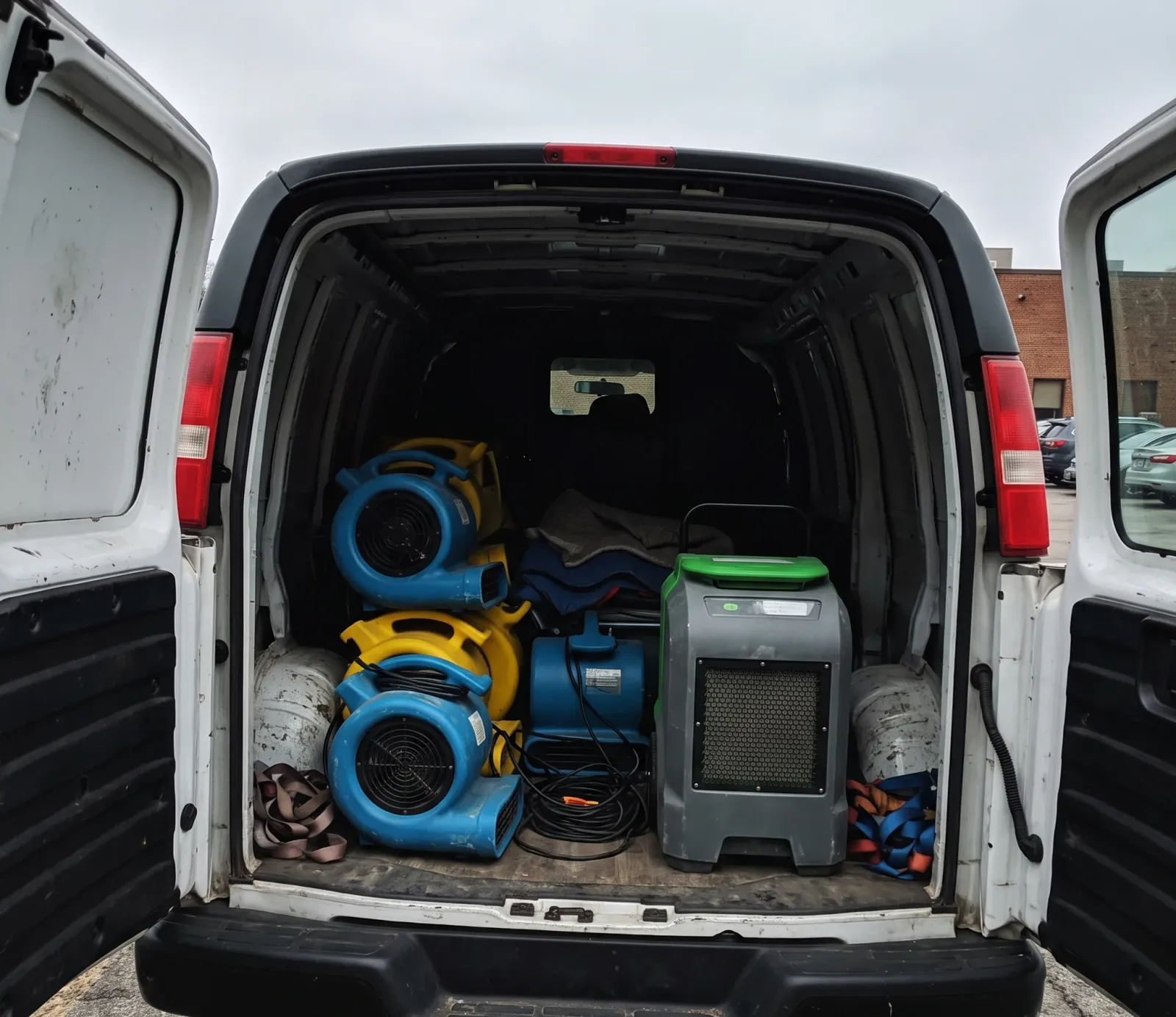
Water removal addresses liquid, while drying addresses moisture left in materials. Professional water removal may use pumps when pooled water is beyond that unit’s practical reach. Compare what each tool is meant to collect and what the written estimate includes. A household wet vacuum reaches accessible liquid; professional equipment may suit pooled water across affected areas. Ask which materials and rooms are included, and whether moisture assessment is a separate task.
Visible Water and Damp Materials
The professional first reviews the water source, affected rooms, materials, and any safety concerns. The water condition and surfaces help determine a suitable extraction approach. The review also considers whether water is pooled or reachable by equipment. The pros we connect you with can explain why a method fits the affected area.
After extraction, the professional can check materials for moisture that remains. That assessment helps define whether drying equipment is needed and which areas it should address. The written scope should separate water removal from source repairs, contaminated-water cleanup, remediation, or rebuilding if those are needed.
A small, clear pool may be removable at once; water across rooms may need more planning. Ask for a written scope showing the removal area, moisture checks, and any drying work. Before agreeing to the plan, write down any questions you still have about the listed work.
WHEN PUMPING ENDS, LOOK FOR MOISTURE THAT REMAINS
| Site Access |
Moisture Follow-Up |
|---|
| Visible water across interior floors | Contaminant scope disclosure |
| Water seeps into cleared floor areas again | Electrical hazards noted |
| Puddles continuing through distant interior spaces | Extract water; arrange follow-up drying |
COVERAGE LIMITSTennessee has no verified statewide license specific to emergency water extraction. Different requirements may apply when a project includes covered construction or remediation work. Ask the provider to describe the work classification and list extraction separately on the estimate. Tennessee Commerce and Insurance provides license and credential lookup information.
Where Hidden Dampness Can Remain
Water that gets beneath flooring or into trim can remain after the open puddle is gone. Those materials may stay damp and become harder to assess as time passes. A professional can define the affected area and explain whether extraction, moisture assessment, drying, or separate repair work is proposed.
Check Flood Maps for Your Address
After a spill on a sealed floor, DIY water extraction may work while water stays contained. Check a wet vacuum’s label before shop vac water removal; use equipment marked for liquid pickup and follow its instructions. Stop if water slips beneath flooring, the source keeps running, or nearby outlets or contents may be contaminated. Household tools cannot confirm hidden moisture is gone.
What Emergency Removal Can Address
A floor that flexes, dips, or shifts under light pressure may signal damage beneath the surface. Stop household cleanup in that area and keep others away. In Tennessee, seek qualified guidance before anyone works around a questionable floor. A stable-looking surface does not confirm that hidden layers are sound or dry.
Which Tools Can Clear Pooled Water?
A small wet area and a water-filled lower level may call for different setups; ask the pros we connect you with to explain their written scope.This Tennessee guide covers standing-water removal; no verified local price band is available. Area, water volume, access, and requested work shape the estimate. The estimate should make clear whether the request covers standing water removal alone. Ask the pros we connect you with about any visit charge and confirm exact tasks in writing.Use the pricing guide to see how removal scope can shape the full cost picture.