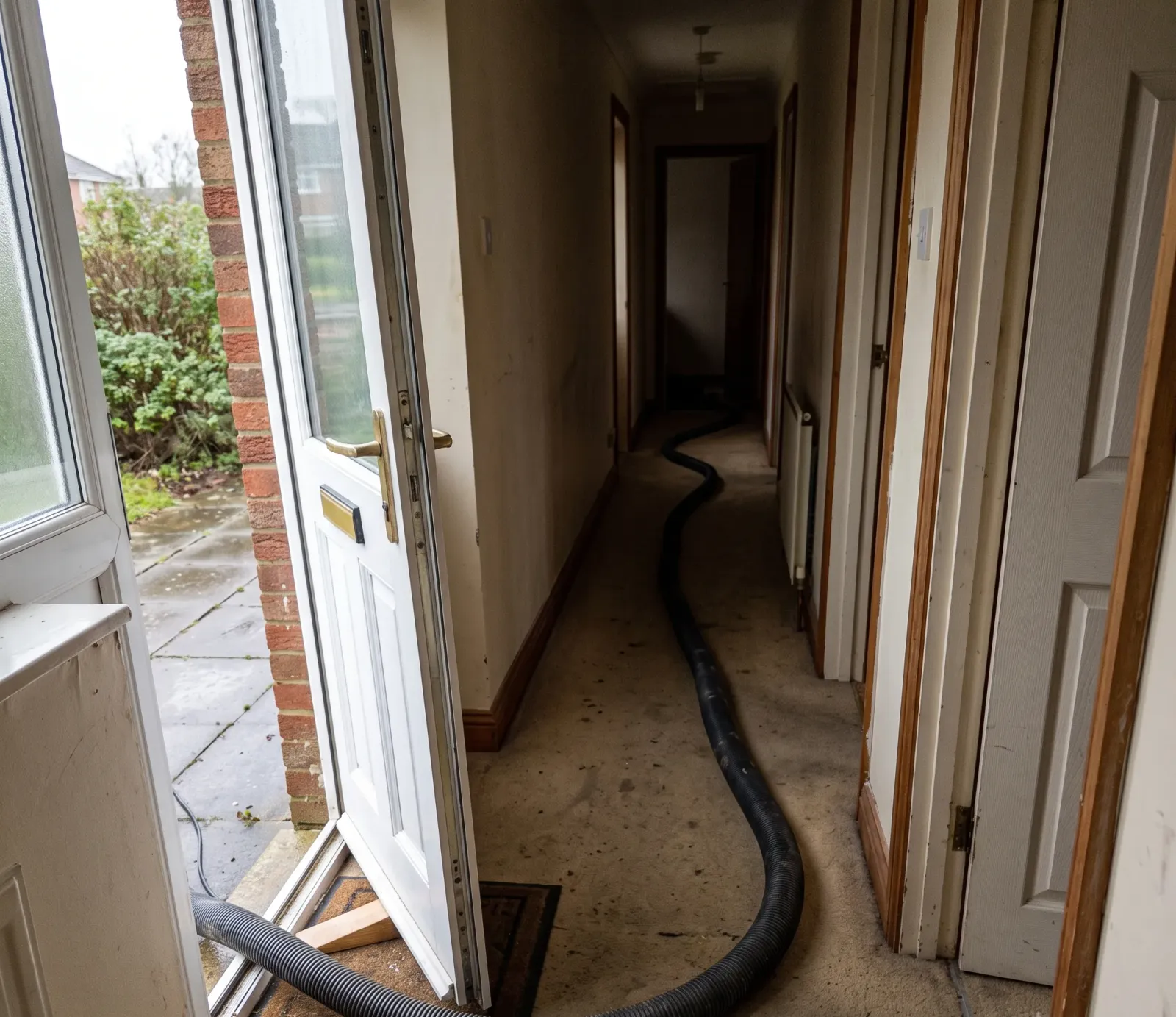
Emergency Response Time
A Tennessee water extraction arrival estimate depends on current availability and your location. Learn what to report, what to ask, and how to track changes while waiting.
Read article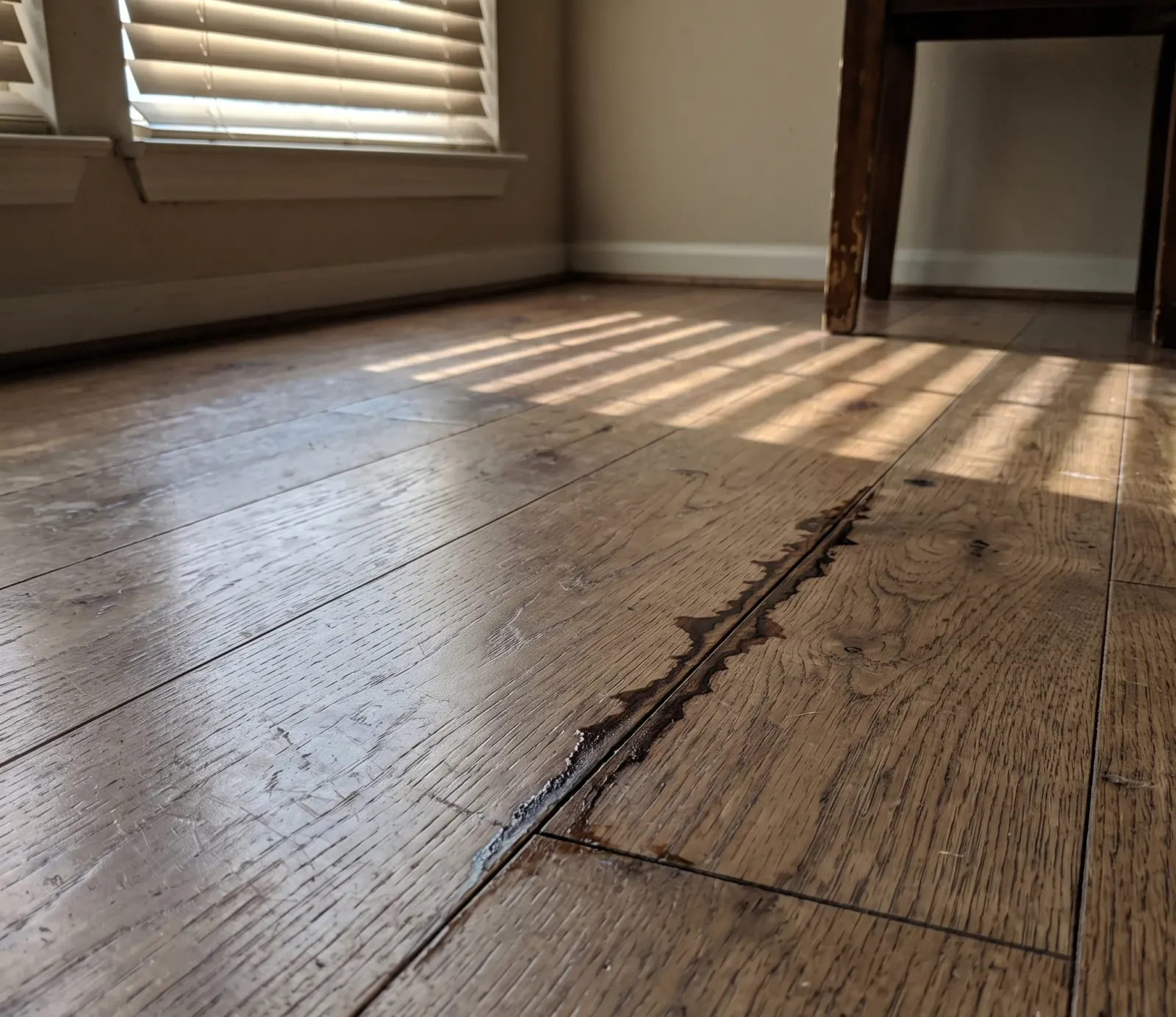
Hardwood water removal shaped by board style and visible pooling
Rain can arrive hard in Tennessee, and a plumbing break can leave water shining across a hardwood room before you spot the source. In a home or small shop, the boards may look intact while water gathers along joints and trim. That scene can happen in communities near Fort Donelson National Battlefield or the Abraham Lincoln Library and Museum, as well as elsewhere across the state. The first task is to describe what you see on the floor, how far it reaches, and whether water is still coming in.
The pros we connect you with can identify the floor type, note how deep the pooling is, and check which rooms and transitions are accessible. Those details shape the surface removal method, the work area, and the estimate. A wet vacuum may lift a shallow spread; deeper pooling may call for pumping first. In Tennessee, a home near Cookeville Regional Medical Center and a shop near Nashville State Community College still need an assessment based on their actual floors and access. Ask what the written scope includes.
Tennessee flooding can also follow poor drainage. For Tennessee and Adamsville, Afton and Alamo, Hardwood Floor Water Extraction focuses on standing water indoors; Hatchie National Wildlife Refuge is context, not proof of risk at an address.
If you need details for the home where you live, open residential emergency water extraction; if you oversee a workplace or rental, commercial emergency water extraction explains that property's service.
A puddle that stays in one room may be simple to map, but water caught in narrow board joints can be harder to lift from the surface. Darkened edges or damp seams may show that water has moved beyond the visible pool. Across Tennessee, homes and small commercial spaces vary, so those observations help define the hardwood floor water extraction area. Keep people away from slippery boards, and do not enter if electrical hazards may be present.
A board that feels raised at its edge, a new ripple, or a finish that has turned dull can signal contact beyond a clean surface spill. These changes do not show how much moisture remains. Note which boards look different and when you first noticed it. In Tennessee, the pros we connect you with can include visible changes in the removal notes, then direct you to a separate moisture assessment if needed after extraction.
Water may reach beneath a table, into a hall, or across a doorway before the full wet area is clear. From a Tennessee home to a small office, mark which rooms and transitions are affected, and mention rugs or heavy furniture that limit access. Do not drag items across wet boards. A clear room-by-room description helps the pro plan wood floor water removal and estimate the reachable surface area.
The pro notes the hardwood type, visible board changes, and whether water is still arriving; these details shape a suitable surface removal plan.
They map the pooled areas, depth, transitions, and access limits to define which flooring the estimate includes.
The licensed pros we connect you with assess the visible pool and nearby boards before choosing an extraction method.
The pro records the removal work and visible floor condition; a separate moisture assessment can guide any needed drying.
Hardwood construction affects how a wet surface responds. Solid boards are wood throughout; engineered boards have layers, so the visible finish alone may not tell the whole story. In Tennessee homes and small commercial properties, tell the pro what flooring you have if you know. Extraction removes pooled surface water, but it does not confirm the floor or building is dry. Moisture assessment and any needed drying are follow-up steps.
Before extraction starts, ask how nearby dry flooring will be protected from tracked water. A wet vacuum or pump may suit different pool depths and layouts. Ask for notes on the visible floor condition and the work completed. Photos and a clear estimate can help you share the removal details with your insurer, without promising coverage.
Tennessee flooding can follow heavy rain, overflowing waterways, poor drainage, or overwhelmed stormwater systems, but statewide conditions do not establish risk at your address. If flooding may be involved, TEMA points residents to FEMA maps and the community floodplain administrator for property-specific questions. For the floor itself, tell the provider if water may contain sewage or chemicals; that cleanup needs a separate scope. Keep clear of wet areas when electrical safety is uncertain.
Across Tennessee, from the Cumberland River Bicentennial Trail to Great Smoky Mountains National Park, Hardwood Floor Water Extraction estimates set expectations; confirm arrival charges and written removal boundaries with the pros we connect you with.
| Wet Locations | Water Lift Methods | Residual Dampness |
|---|---|---|
| Entry Zone | Reachable pooled water removed from the included floor section | an estimated $600–$2,200 |
| Floor Section | Floor water removal within the estimate’s stated work boundary | an estimated $690–$2,860 |
| Room Network | Standing water gathered from open flooring in the defined area | an estimated $600–$2,200 |
| Full Interior | Accessible interior pooling collected from exposed floor surfaces | an estimated $1,440–$8,800 |
When water reaches a finished room in Tennessee, moving equipment through the property can shape the work plan. Ask whether the estimate includes only removal or also assessment, drying, and cleanup. If you are considering longer-lasting replacement materials, request their costs separately. The full pricing guide covers these decisions.
Cost depends on the affected floor area, pool depth, board construction, and room access. A clear, open room with a shallow spill differs from connected spaces with deeper pooling or tight transitions. In Tennessee, describe the flooring and affected rooms when requesting an estimate. Ask the pro to put the planned surface removal and included areas in writing.
Pooled water on hardwood can be lifted with a wet vacuum or pump, depending on its depth. Floor construction also affects which removal approach fits. Water can settle between floor layers, even after surface water is removed. Tell a local independent pro which rooms are affected and describe the flooring and visible water before work begins.
Promptly lifting surface water can reduce how long it contacts the boards, but it cannot guarantee the floor will avoid changes. Water that reaches seams may remain below the visible surface even after standing water is removed. Tell the provider what you noticed and when. After removal, ask whether moisture assessment is needed to understand remaining concerns.
Yes. Solid flooring is wood through the board, while engineered flooring is built in layers. Note any lifted edges, gaps, or finish changes that appeared after the spill. Mention any earlier repairs or worn areas that could affect what the pro sees. If you are unsure, describe its appearance and condition so the pro can assess it on site.
Share your location, the rooms affected, approximate water depth, when you noticed it, and whether more water is arriving. Describe the hardwood type if known, along with visible changes and access obstacles. In Tennessee, this information helps the pros we connect you with understand the floor and define the surface removal scope.
Hardwood floor water extraction begins with visible water on the boards. In Tennessee, a wet vacuum may lift shallow pooling; a pump may suit deeper water. The amount on the surface and floor construction shape the approach, since water can collect between board edges. Water between board edges may remain after the visible pooling has been removed. Drying needs to address moisture between the boards as well as water on top.
Water can spread into nearby materials, leaving damp areas beyond the visible pool that may need extraction. How much water must be removed, which materials are wet, site access, and requested scope shape the confirmed amount from the pros we connect you with.
Tennessee rain can push water indoors; these guides explain what to consider before arranging removal.
A Tennessee water extraction arrival estimate depends on current availability and your location. Learn what to report, what to ask, and how to track changes while waiting.
Read article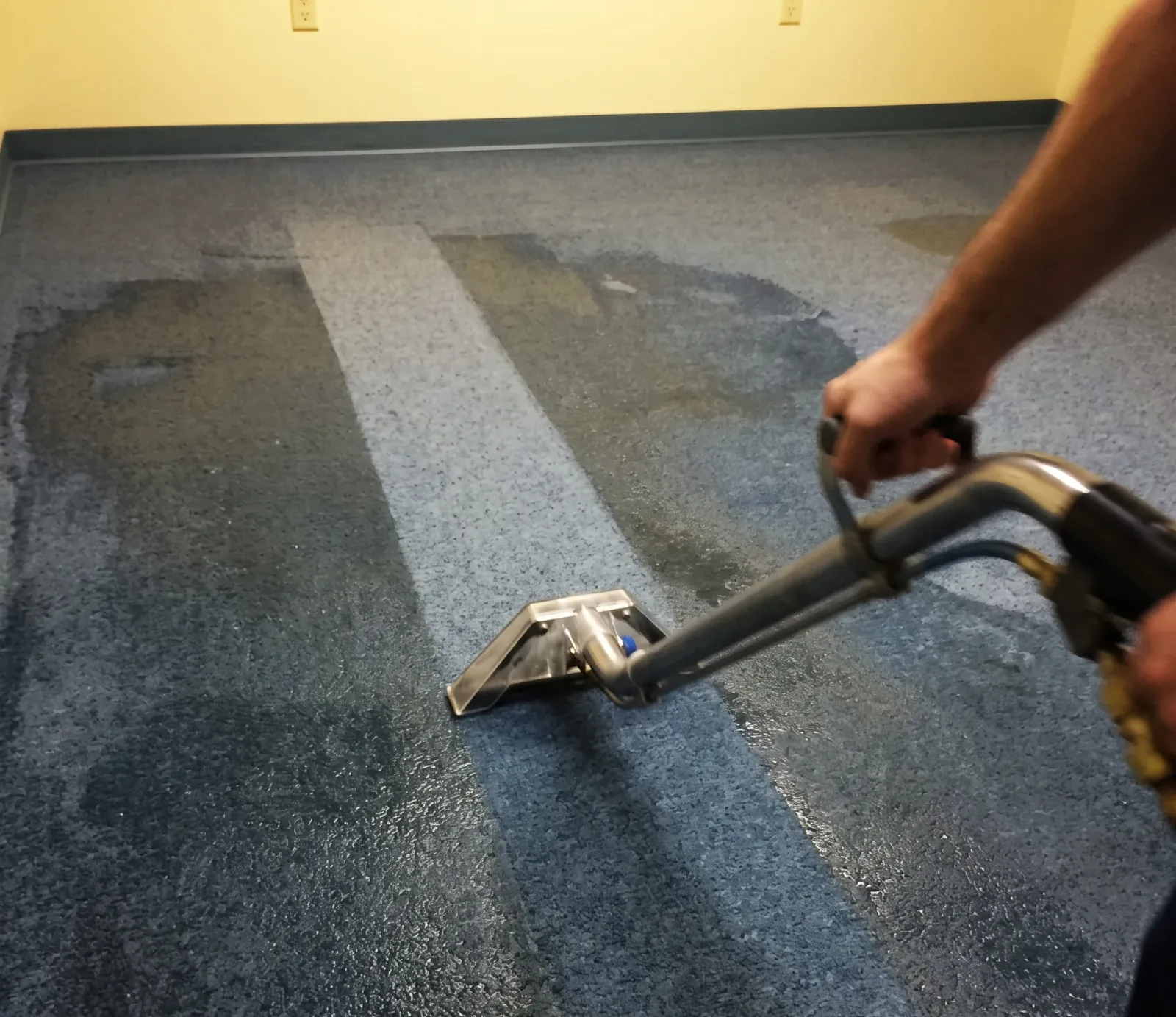
How long does emergency water extraction take in Tennessee? Learn how seasonal rain, water volume, and access affect removal duration, and what to ask local pros.
Read article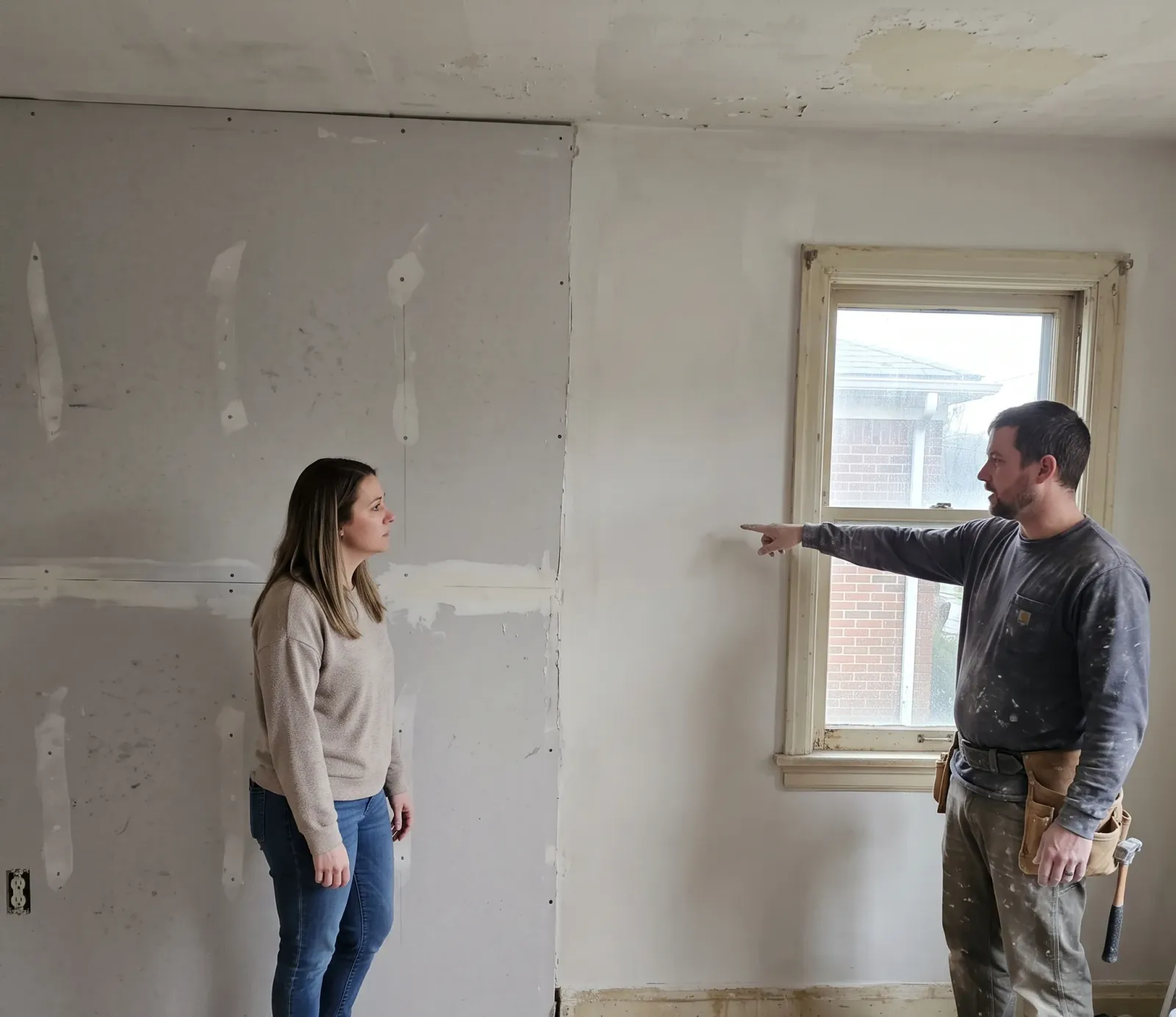
Learn when standing water makes walking unsafe, which visible warning signs to note, and what to share when you ask for a safe professional assessment.
Read articleAfter water reaches a Tennessee property, the wettest-looking spot may not show how far moisture traveled. At a shop, water may cross a back room; at home, it may collect along a wall. Describe what you can see and how the intrusion began. Note whether belongings or equipment were in the affected area before cleanup begins. Check their availability, visit fees, and timing as you discuss next steps.
Call (615) 281-3628