Emergency Water Extraction Warning Signs in Tennessee
Water crosses a threshold, and the floor shines. A rug feels heavy; a box softens at its edges. In a Tennessee home, the visible pool may not mark the full affected area. Moisture can remain in materials after removal. The pros we connect you with handle urgent extraction. Finding a leak or restoring materials takes separate work. Wet baseboards can swell or loosen where water reaches the wall. Ask for an estimate with extraction and proposed next steps listed separately.
On a bad day, you may find water across a room before you know where it has gone. This page explains the first job—removing standing water—and what to clarify afterward. Ask whether checking for moisture and drying materials are included if water remains once extraction is done.
A leak may begin at a pipe, appliance, or fixture connection and spread beyond the first wet spot. Water problems still need a building-level check. On the day you find water at home or work, look from a safe, dry place: a wet outlet or equipment, or a ceiling bowing downward, means keep clear and do not touch it. The pros we connect with can remove pooled water, but that work will not fix its source or show that materials are dry. Ask the estimate to separate extraction from any suggested follow-up.
Signs of water intrusion needing urgent removal
Seek qualified help if water is advancing, near electrical equipment, or likely to reach more materials while you wait.
| Visible clue | Possible meaning | Timing for action | Additional Reading |
|---|---|---|---|
| Standing Water on Indoor Floors In Tennessee homes and small shops, standing water may form a shallow, reflective layer or collect in deeper patches. Its edges can be uneven, and the floor beneath looks glossy. The water may appear clear, cloudy, or discolored. It can cover one section of flooring or extend across a room. | After heavy rain, you step inside and find water across the floor. In Tennessee, visible pooling calls for emergency extraction when it cannot be safely cleared or continues spreading. Water can seep beneath flooring even when the visible pool looks small. Wherever you are, the pool and safety conditions help guide the next step. | Once water has pooled indoors, floors and nearby materials remain in contact with it as time passes. Across Tennessee, from Pellissippi State Community College to Fort Donelson National Battlefield and Birthplace of Country Music Museum, extraction limits that exposure; moisture checks and drying may still follow. | Ask on the call |
| Water Spreading Into Adjacent Rooms In a small Tennessee shop, a narrow, uneven sheen may cross the floor and pass through a doorway. It can break into shallow patches on tile or leave carpet darker at the edge. Along the baseboard, paint may look dull or slightly darker. The surface may feel cool or damp beneath a light touch. | On the day water crossed a doorway in Tennessee, the wet area outgrew the first room you noticed. In a house or small shop, that boundary suggests connected floor areas need assessment. Across Tennessee, from Cumberland River Bicentennial Trail to Beersheba Springs Historic District and Nashville State Community College, ask the pros we connect you with to assess the spread and remove standing water. Drying remaining damp materials is separate. | If water keeps moving, the wet footprint can reach more flooring during the same leak or rain event. Moisture may remain in floors or walls afterward. A damp smell can persist even after the visible water is gone. | Ask on the call |
| Water Pooling in Multiple Rooms You see distinct wet areas on floors in rooms separated by a hall or doorway. One patch may be a thin shine; another may have a visible edge or shallow depth. Water can look clear, cloudy, or discolored. Floor surfaces may appear glossy, and feel slick or cool beneath your hand. In a small shop, the same patches may cross separate rooms. | After rain, you find water in separate rooms, not one spot. In Tennessee, mark each room before removal; water visible in one space may leave another uncounted. Statewide, from Arnold Engineering Development Complex to Hiwassee Scenic River State Park and Andrew Johnson National Historic Site, the pros we connect you with remove pooled water, assess what needs drying. | Water can keep soaking flooring and nearby materials over the next hours and days. As visible pools recede, dampness may remain beneath or within surfaces. In Tennessee homes and small businesses, prompt removal limits how long those materials stay wet; later assessment can show whether drying is needed. | Ask on the call |
| Indoor Drips Collecting on Floors On tile or another hard floor, the drops look like small, separate circles with glossy centers. As they meet, their edges blur into a thin, irregular wet patch. On carpet, individual beads may darken small spots in the pile. The floor’s color and texture show through the clear water. | On a rainy morning, you spot fresh drops gathering on a Tennessee kitchen floor. Drops that keep appearing can mean water is still coming in; extraction removes pooled water but cannot stop the source. The same problem can disrupt a small shop. Water can soak into flooring and nearby materials, even when only a small amount is visible. Keep away from wet outlets and contact the pros we connect you with. | As drops continue, the wet area can spread over the same day, and water may move beneath floor coverings. Tennessee homes and small shops, including places near Cookeville Regional Medical Center, West Tennessee Regional Art Center, and Stones River National Battlefield, should treat ongoing drips promptly. | Ask on the call |
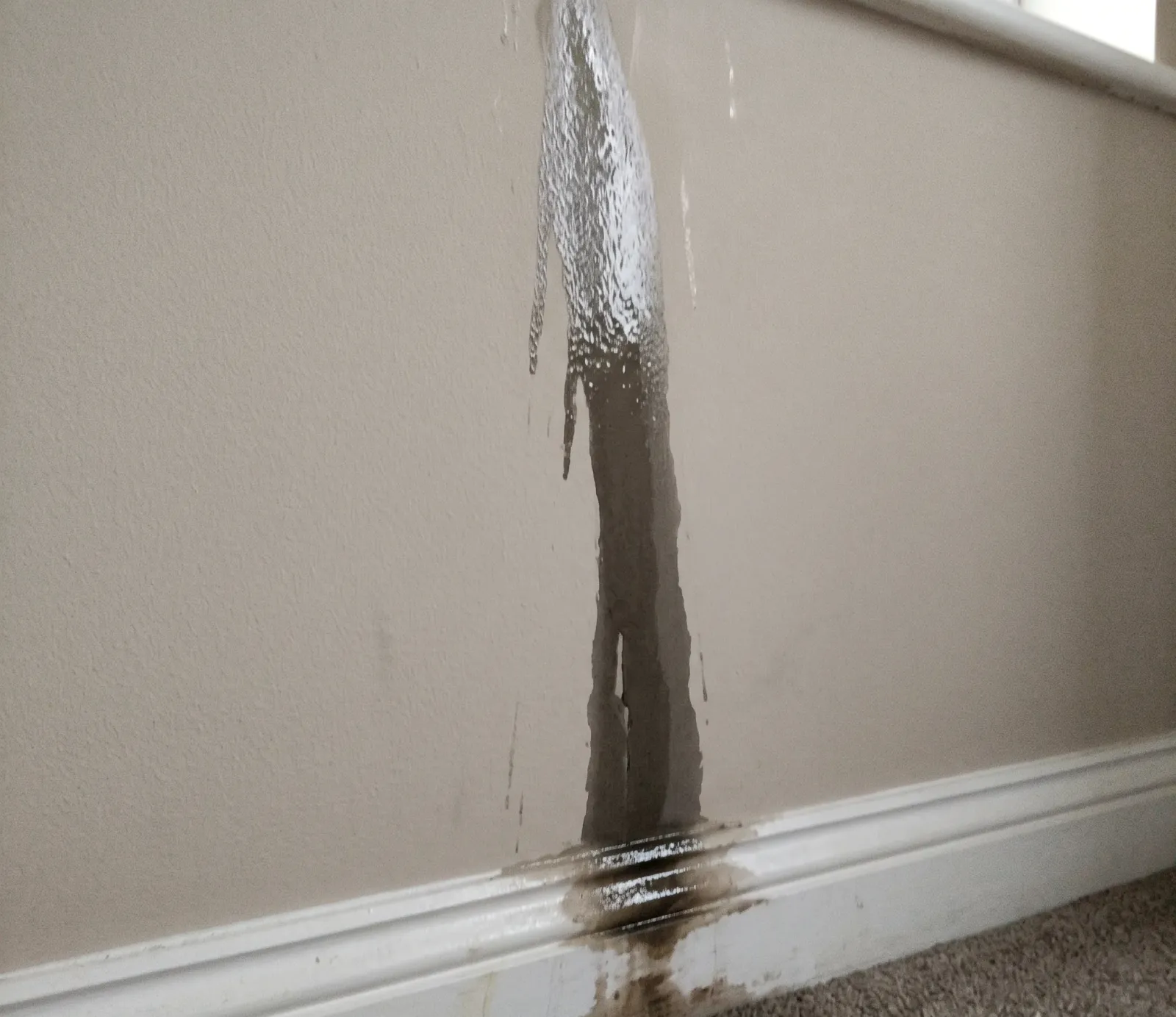
| Water Running Down Interior Walls Moisture can weaken drywall and make its surface easier to damage. It can start high on painted drywall, follow a seam, or appear below a ceiling edge. The trail may be clear or brownish; nearby paint can feel cool or damp. | Across Tennessee, water tracing an interior wall can reach the floor and gather along its edge. In a home or small business, that pairing shows water has traveled beyond the visible wall mark. Keep away if outlets or equipment are wet. The pros we connect you with can remove standing water; separate assessment and drying may address moisture left behind. | If the trickle keeps going, the damp area can widen along the wall base and floor over hours or days. In Tennessee homes or small businesses, water near outlets adds an electrical concern; stay clear until safety is checked. | Basement Water Extraction |
| Water Seeping From Wall-Floor Joints In a small Tennessee shop, the wet mark sits at the foot of the wall. It may look like a narrow dark line, a row of beads, or a thin trail along the floor edge. On tile, it may catch the light. On concrete, it may appear darker than the surrounding surface. Nearby flooring may look damp. | Ongoing seepage at a wall-floor joint can leave water that needs extraction. The seam alone does not reveal the source. In Tennessee, the pros we connect you with can remove pooled water. The leak needs separate attention. The Cumberland River Bicentennial Trail, Arnold Engineering Development Complex, and Great Smoky Mountains National Park offer geographic context, not evidence of your address’s flood risk. | Water can spread onto nearby floor surfaces while seepage continues, enlarging the wet area during the same event. Moisture may collect beneath flooring before the surface looks wet. How far has the moisture traveled? | Basement Water Extraction |
| Sagging or Bulging Ceiling Across Tennessee, this sign may appear as a shallow dip or a rounded area hanging below the ceiling’s usual line. The outline can look smooth, rippled, or uneven at the edges. Paint may show pale yellow, tan, or brown patches. The surface may look dull or shiny; avoid touching a ceiling that appears unstable. | The day you spot a ceiling dip in Tennessee, have the space assessed promptly. Water may be collecting above the finish and adding weight. From the Hiwassee Scenic River State Park area to Great Smoky Mountains National Park and Arnold Engineering Development Complex, homes and small shops can show this warning. A sagging section can also signal that the ceiling surface has started to separate from its supports. | Water weight can make the bowed area deepen while the intrusion continues, and ceiling material may give way without much warning. In Tennessee homes or small businesses, debris and water could fall into the room. Prompt assessment helps address the overhead concern before it worsens. | Ask on the call |
Signs worth arranging an assessment for
The puddles have cleared, yet moisture may remain in surfaces and warrant review.
| Visible clue | Possible meaning | Timing for action | Additional Reading |
|---|---|---|---|
| Wet or Swollen Baseboards Along the floor, the strip may look swollen, bowed, or uneven, with one end lifting from the wall. Paint or finish can appear darker, bubbled, or split, and the edge may show a narrow shadow line. A musty smell near the floor can also be a sign of moisture behind the visible finish. | After rain or a leak, you may notice damp or enlarged trim before seeing water elsewhere. Check nearby floor edges and look for an active source. Water can seep behind the trim and leave moisture in the lower wall, beyond the area you can see. The pros we connect you with remove standing water; leftover moisture may need assessment and drying. | Swelling at the baseboard can point to water entering where wall meets floor. If a leak keeps feeding that spot, pooling may increase over the next hours. In Tennessee, extraction addresses pooled water; the leak needs separate attention. | Ask on the call |
| Softened Drywall Near the Floor The change sits along the bottom portion of the wall, often as a soft band or isolated patch. The surface may look dull, puckered, or slightly rippled, with a faintly swollen edge. Pressing lightly with a fingertip feels yielding instead of solid; paint or paper may seem loose or uneven. | A lower wall that yields under gentle pressure has lost some firmness. It can signal moisture in the wall or nearby materials, but touch cannot show how much remains. The finish may still look normal even when the material beneath it has begun to soften. Ask the pros we connect you with to assess lingering moisture; extraction removes pooled water, while drying may be separate. | If left alone for several days, the paper face can split or the gypsum can crumble under light contact. Dampness may linger after surface water disappears. Tennessee rain, overflowing waterways, and drainage problems make a prompt check of the wall and nearby materials sensible. | Ask on the call |
Signs to keep an eye on
Visible water can be gone while materials still hold moisture.
| Visible clue | Possible meaning | Timing for action | Additional Reading |
|---|---|---|---|
| Bubbling or Peeling Wall Paint Across Tennessee, homes near Big Sandy Wildlife Management Area may show this sign. Small businesses near Fort Donelson National Battlefield may see similar patches. Homes near Cookeville Regional Medical Center may see them too. Look for rounded blisters, broad ripples, or curled flakes on a wall or ceiling. Edges may feel loose or brittle. | After a wet day, you may notice paint lifting on a Tennessee home or shop. That change is a clue to inspect the area, not proof water remains. Ask the pros we connect you with to check for standing water. Extraction can remove it; drying remaining moisture is a separate step. | If a leak or wet event came first, arrange a prompt check. Continued moisture can loosen more paint and affect materials behind it over the coming days. Note whether the damaged area grows or changes while you arrange the check. | Ask on the call |
Questions on Extraction
What does standing Water on indoor floors mean?
After heavy rain, you step inside and find water across the floor. In Tennessee, visible pooling calls for emergency extraction when it cannot be safely cleared or continues spreading. Water can seep beneath flooring even when the visible pool looks small. Wherever you are, the pool and safety conditions help guide the next step.
What does water spreading into adjacent rooms mean?
On the day water crossed a doorway in Tennessee, the wet area outgrew the first room you noticed. In a house or small shop, that boundary suggests connected floor areas need assessment. Across Tennessee, from Cumberland River Bicentennial Trail to Beersheba Springs Historic District and Nashville State Community College, ask the pros we connect you with to assess the spread and remove standing water. Drying remaining damp materials is separate.
What does water pooling in multiple rooms mean?
After rain, you find water in separate rooms, not one spot. In Tennessee, mark each room before removal; water visible in one space may leave another uncounted. Statewide, from Arnold Engineering Development Complex to Hiwassee Scenic River State Park and Andrew Johnson National Historic Site, the pros we connect you with remove pooled water, assess what needs drying.
What does indoor drips collecting on floors mean?
On a rainy morning, you spot fresh drops gathering on a Tennessee kitchen floor. Drops that keep appearing can mean water is still coming in; extraction removes pooled water but cannot stop the source. The same problem can disrupt a small shop. Water can soak into flooring and nearby materials, even when only a small amount is visible. Keep away from wet outlets and contact the pros we connect you with.
What does water running down interior walls mean?
Across Tennessee, water tracing an interior wall can reach the floor and gather along its edge. In a home or small business, that pairing shows water has traveled beyond the visible wall mark. Keep away if outlets or equipment are wet. The pros we connect you with can remove standing water; separate assessment and drying may address moisture left behind.
What does water seeping from wall-Floor joints mean?
Ongoing seepage at a wall-floor joint can leave water that needs extraction. The seam alone does not reveal the source. In Tennessee, the pros we connect you with can remove pooled water. The leak needs separate attention. The Cumberland River Bicentennial Trail, Arnold Engineering Development Complex, and Great Smoky Mountains National Park offer geographic context, not evidence of your address’s flood risk.
What does wet or swollen baseboards mean?
After rain or a leak, you may notice damp or enlarged trim before seeing water elsewhere. Check nearby floor edges and look for an active source. Water can seep behind the trim and leave moisture in the lower wall, beyond the area you can see. The pros we connect you with remove standing water; leftover moisture may need assessment and drying.
What does softened drywall near the floor mean?
A lower wall that yields under gentle pressure has lost some firmness. It can signal moisture in the wall or nearby materials, but touch cannot show how much remains. The finish may still look normal even when the material beneath it has begun to soften. Ask the pros we connect you with to assess lingering moisture; extraction removes pooled water, while drying may be separate.
What does bubbling or peeling wall paint mean?
After a wet day, you may notice paint lifting on a Tennessee home or shop. That change is a clue to inspect the area, not proof water remains. Ask the pros we connect you with to check for standing water. Extraction can remove it; drying remaining moisture is a separate step.
What does sagging or bulging ceiling mean?
The day you spot a ceiling dip in Tennessee, have the space assessed promptly. Water may be collecting above the finish and adding weight. From the Hiwassee Scenic River State Park area to Great Smoky Mountains National Park and Arnold Engineering Development Complex, homes and small shops can show this warning. A sagging section can also signal that the ceiling surface has started to separate from its supports.
Match Water Signs to a Practical Next Step
A carpet edge that feels cool or a floor stain that grows can mark where to begin. In Tennessee, note what you heard or saw first, when it started, and whether the water source seems active. Tell the pros we connect you with which rooms and materials are affected. Ask how they will document the removal work and whether drying is a separate step. Confirm the written estimate, visit fee, and possible timing before you arrange service.
Call (615) 281-3628