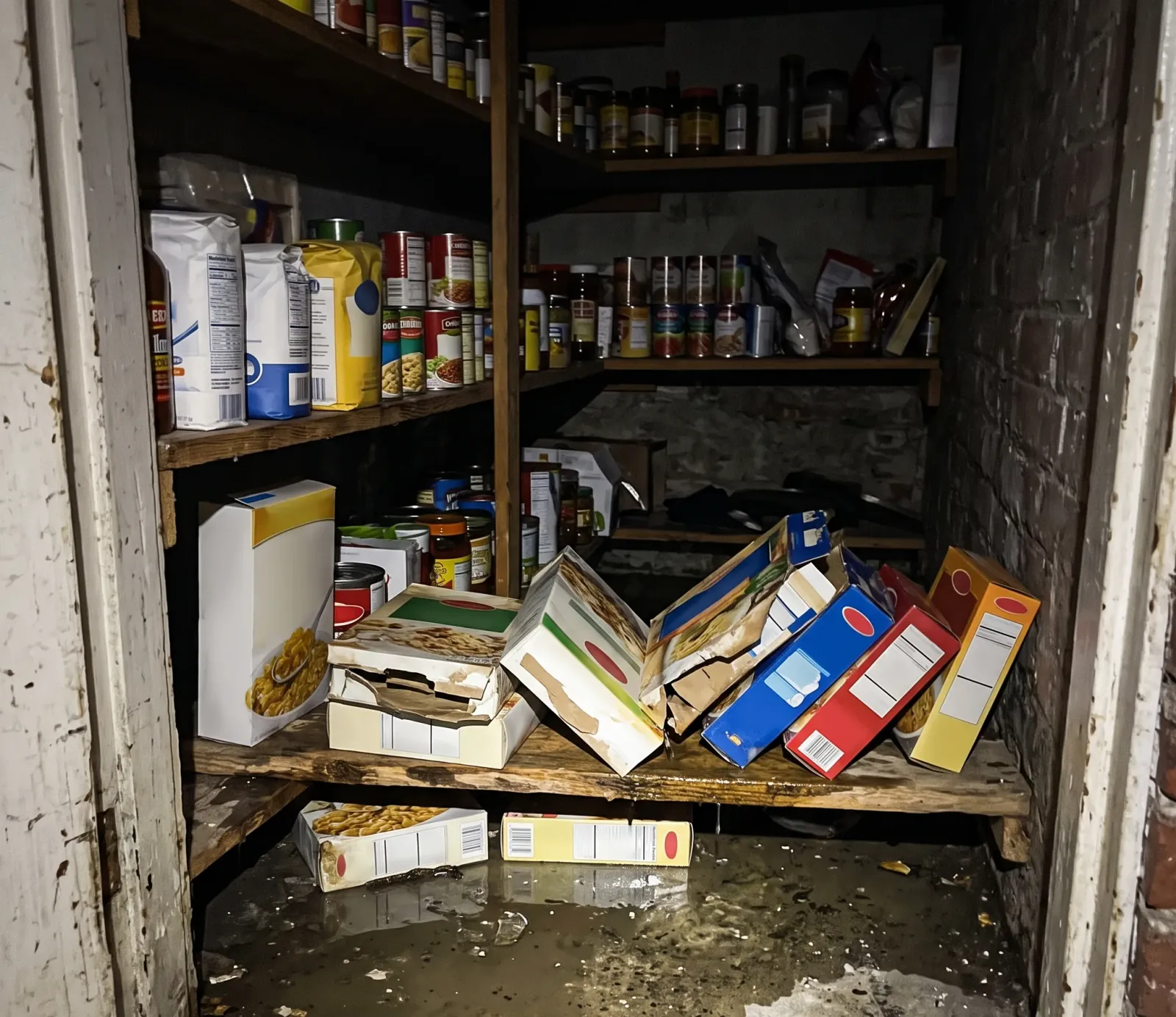
Basement Water Extraction
A clear sequence for safer basement entry, pumping, and moisture follow-up.
View Basement Water Extraction help in Tennessee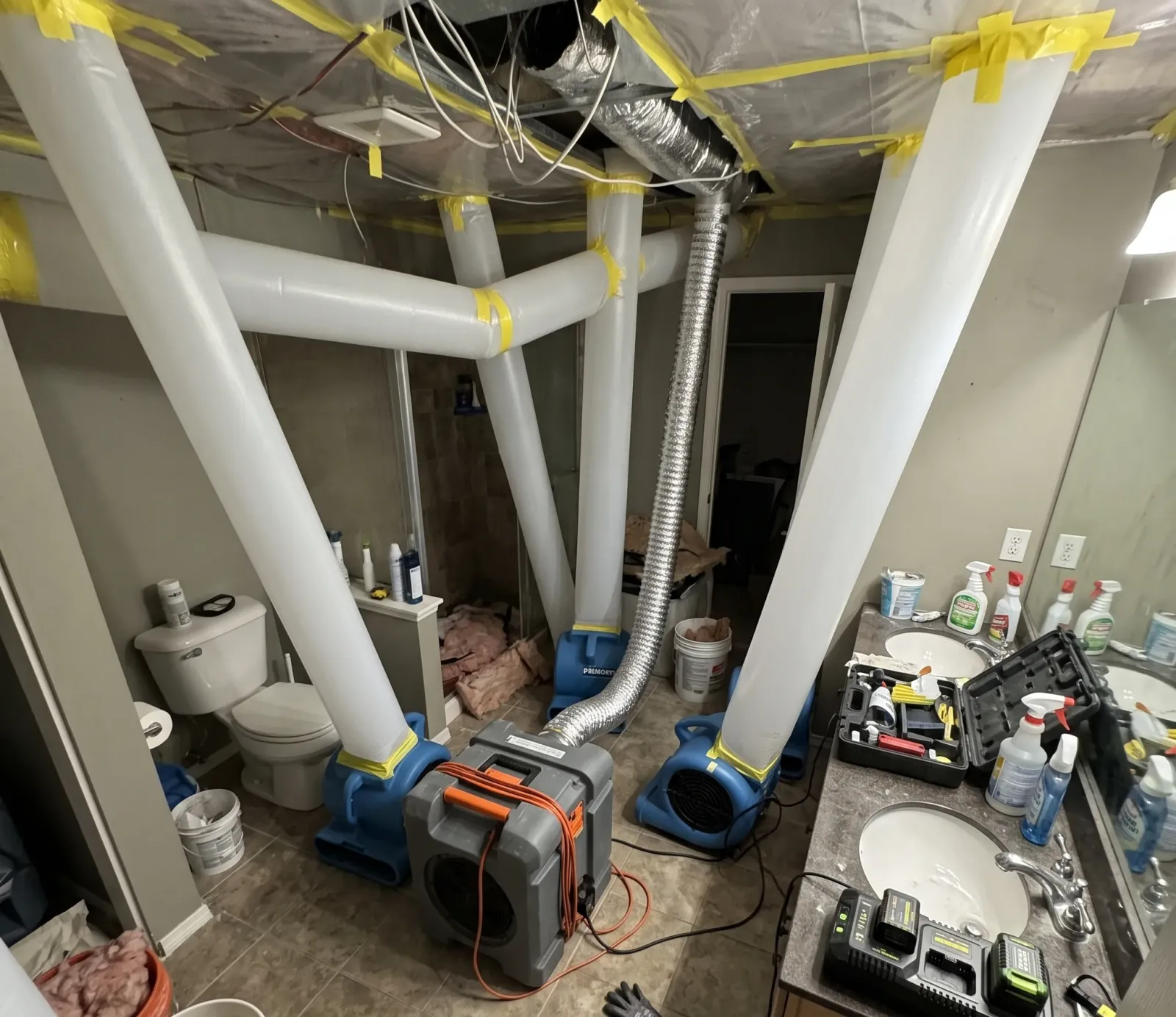
Rain came through a doorway overnight, and by morning water had reached the hall. In Tennessee, heavy rain, rising waterways, or poor drainage can bring water indoors; each property has its own conditions. A home near Cookeville Performing Arts Center and a small shop near Founders Park at Campbell Station have different layouts, but both may need pooled water removed. The pros we connect you with can discuss which areas need attention and explain what water removal includes. First, note where water remains and whether it is still entering.
Heavy rain can overwhelm drainage and spread water through a home or small business. Overflowing rivers and streams create another path for water intrusion. In Tennessee, those statewide conditions make it useful to identify the affected rooms and surfaces first. The pros we connect you with can explain what standing-water removal covers before work begins. Include belongings as well as building surfaces when noting the water’s reach. These examples show geographic range; they do not determine your address’s flood risk.
Once water is removed, you may still need decisions about the cause and follow-up work. After pooled water is gone, note any damp areas for follow-up discussion. In Tennessee, ask the pros we connect you with to clarify which work they handled and which items need another scope. Keep the estimate and removal records with your own files. They may help you share event details with your insurer, but coverage depends on your policy. Before scheduling more work, ask who is responsible for each open item.
If you need details for the home where you live, open residential emergency water extraction; if you oversee a workplace or rental, commercial emergency water extraction explains that property's service.
These pages cover urgent pooled-water removal and possible steps for moisture left behind.
A clear sequence for safer basement entry, pumping, and moisture follow-up.
View Basement Water Extraction help in Tennessee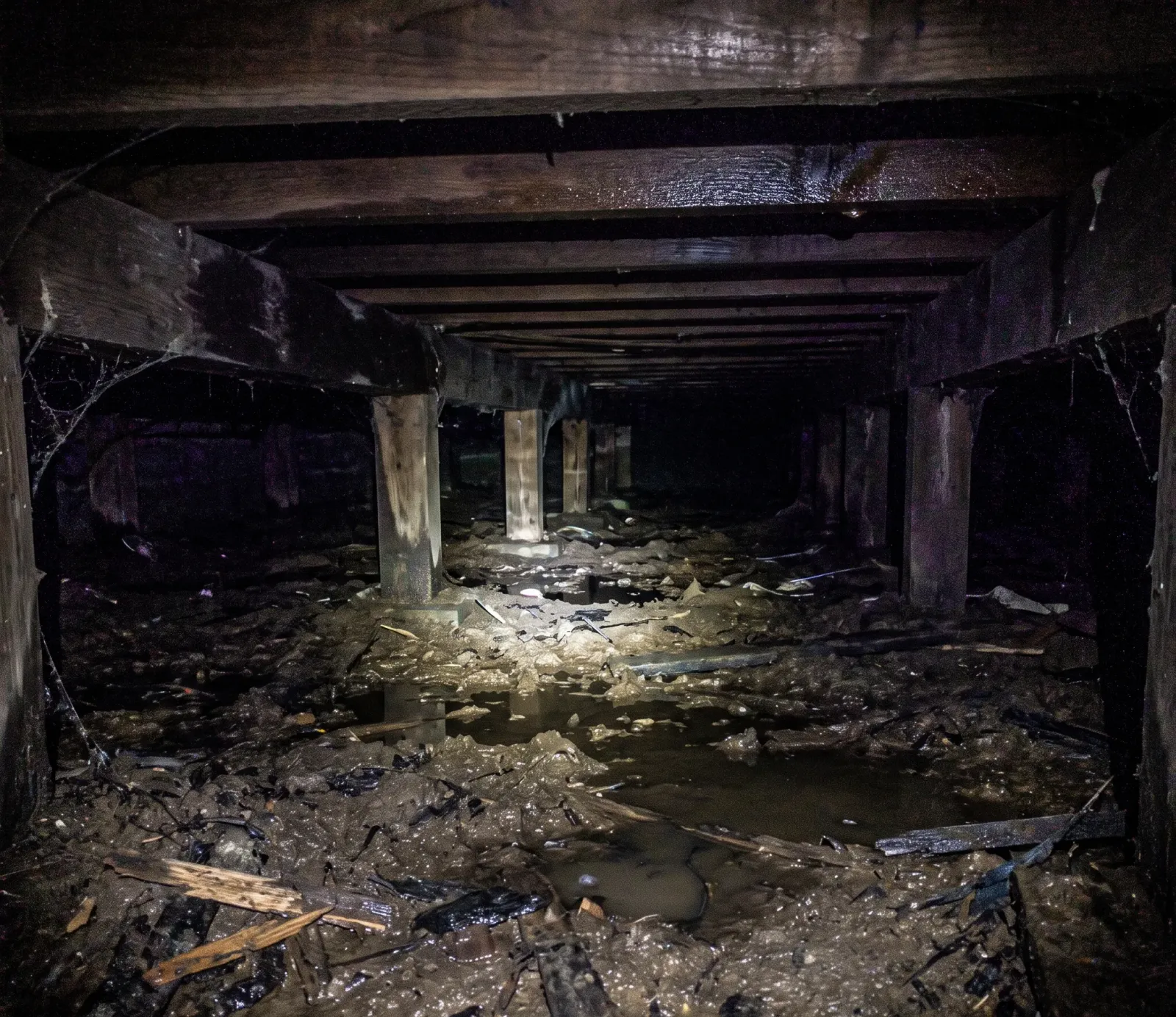
A clear sequence for checking access, water, safety, and removal
View Crawl Space Water Extraction help in Tennessee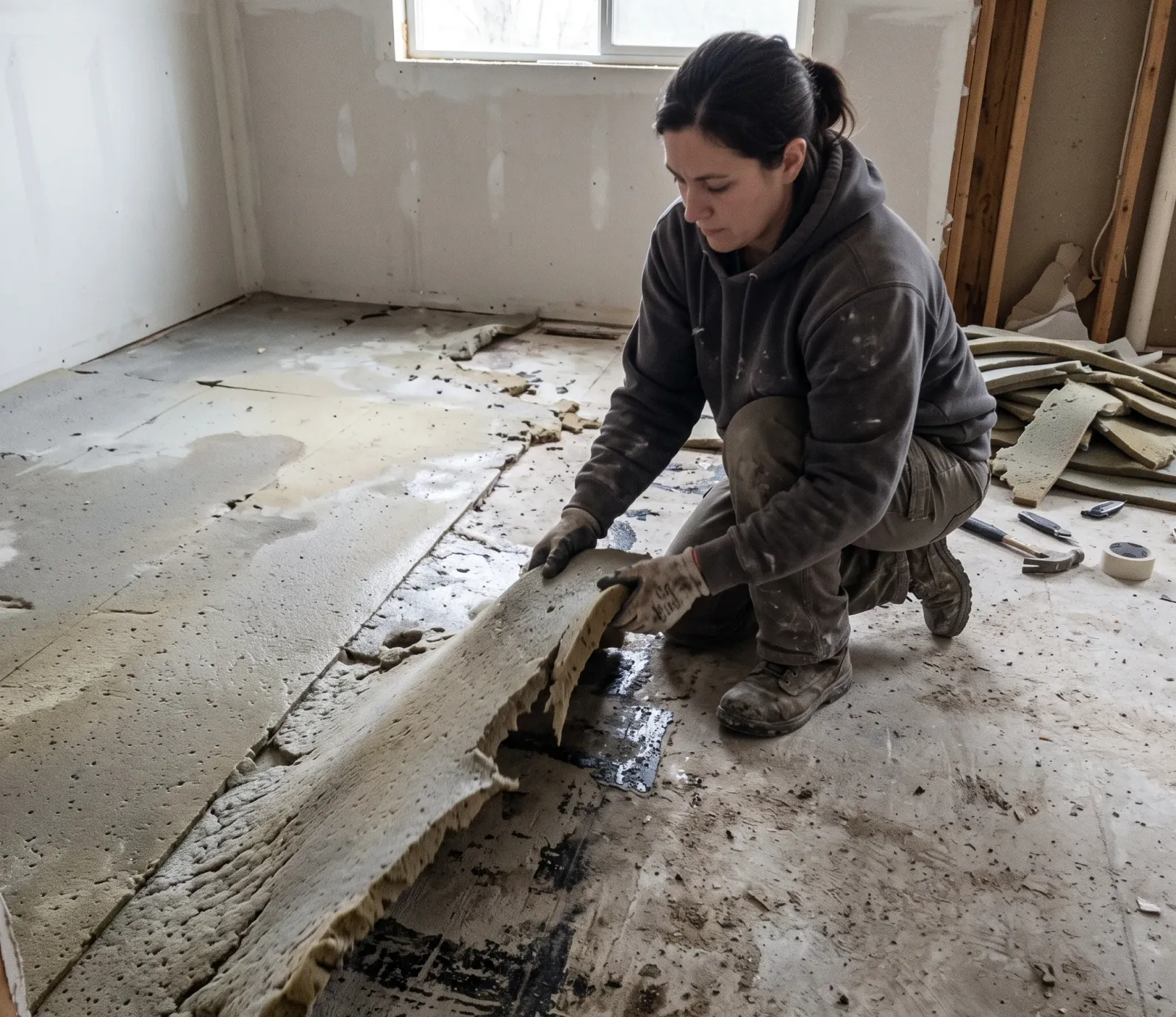
Keep off soaked carpet while pros assess access, pad saturation, and safe extraction
View Carpet and Pad Water Extraction help in Tennessee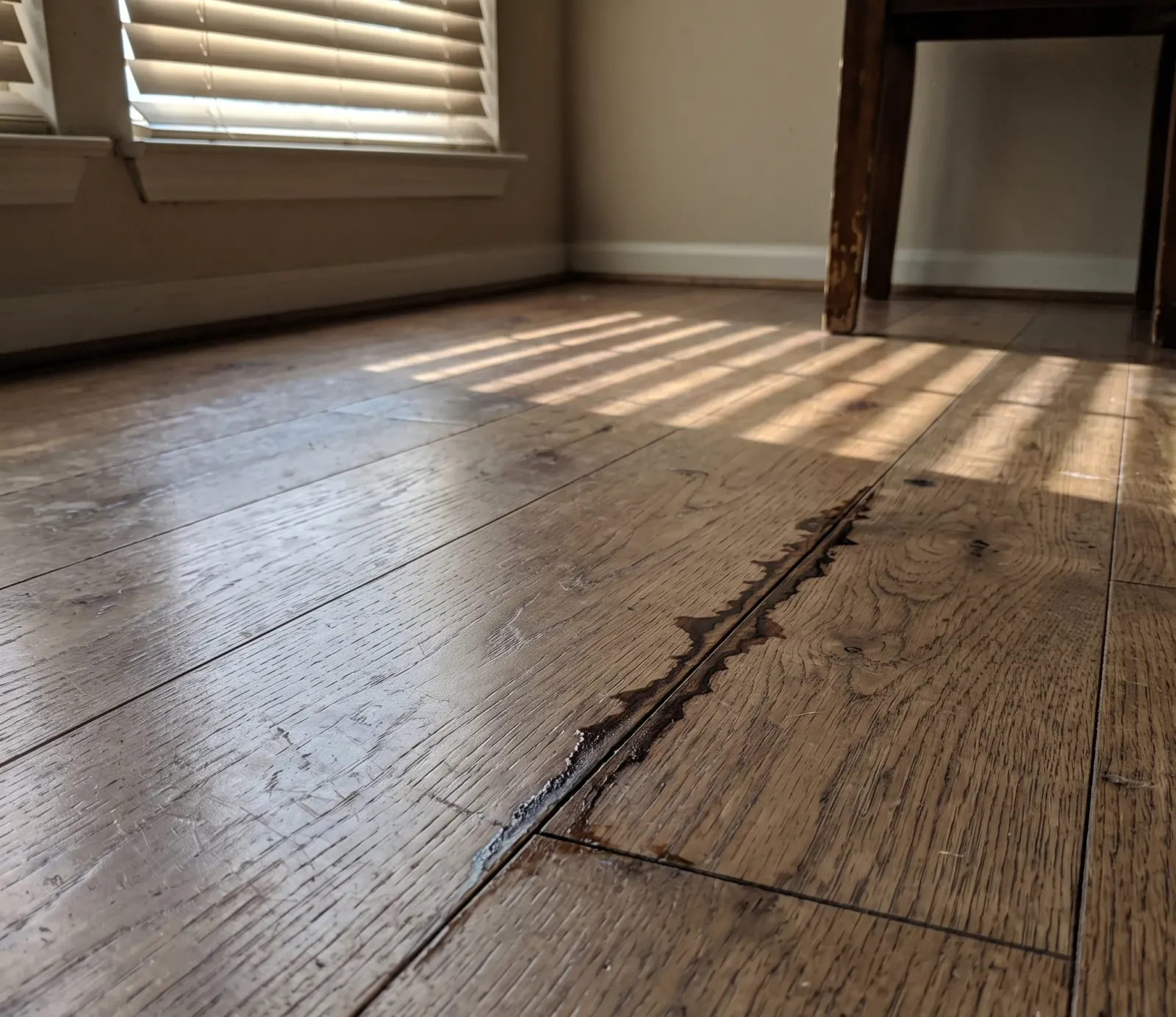
Hardwood water removal shaped by board style and visible pooling
View Hardwood Floor Water Extraction help in TennesseeExplore these guides for pooled water, damp materials, and decisions after removal.
Learn how standing water is removed, what materials may remain damp, and how assessment, drying, and written records fit the scope.
Review the household water guide for safety concerns, removal basics, and questions to settle before service.
Ask which observations support each recommendation.
Use visible pooling, damp surfaces, and water still entering to guide the questions you raise.
Water on the floor after a pipe breaks is the first sign. Extraction addresses pooled water. Restoration may be needed when materials, finishes, or belongings also need attention. Across Tennessee, the pros we connect you with can explain where removal ends and which concerns call for separate work. Removing wet contents can help expose surfaces that need a closer look.
The visible pool may be gone while dampness remains in materials. Water can move behind baseboards or beneath flooring before it is easy to see. A moisture assessment can identify areas for further attention, and drying equipment may be set up afterward. Ask the pros we connect you with which steps their estimate includes. Across Tennessee, a home near Fort Donelson National Battlefield needs the same clear scope as any other property.
Water spreading from a damaged pipe points to two separate needs: removing what has collected and stopping the source. Extraction handles water removal, while leak repair and rebuilding require separate work. Ask whether the pros we connect you with can coordinate those scopes and who is responsible for each step. In Tennessee, get the work and its boundaries described clearly before it begins.
If you can, note whether water is visible on surfaces or suspected inside walls or floors. Include any changes in color, smell, or surface texture you have noticed. Share what you know about its source and whether it is still flowing. For a house, name rooms and belongings involved; for a shop, note affected work areas or goods. List steps already taken. Photos or records can help explain the loss. Ask the estimate to spell out the removal work covered.
Choose extraction when standing water needs removal. Source repair and rebuilding are separate scopes, so ask which work addresses each need. Keep a list of the areas where water removal is requested. In Tennessee, this scope distinction applies around the International Storytelling Center and across the state. The pros we connect you with can clarify what their estimate includes.
A rainstorm can leave water at a doorway, while a pipe problem may wet one room indoors. Tennessee flooding can also follow overwhelmed drainage, even beyond mapped high-risk areas. Tell the pros we connect you with what you noticed and where water remains. Ask what the estimate covers, whether it includes moisture assessment or drying equipment, and what falls outside extraction. Water entering through a doorway may leave damp edges after the visible pool is gone.
Call (615) 281-3628