How Damp Materials Respond
Tennessee has documented heavy-rain and drainage flood pathways statewide, but risk varies by property. Great Smoky Mountains National Park offers geographic context; its presence does not determine whether a home has flood exposure.
Across Tennessee, the Cumberland River Bicentennial Trail and Big Sandy Wildlife Management Area are recognizable geographic references. Nearby waterways do not establish a building’s flood status; check the property itself for hazard information.
Tennessee’s residential service areas span urban neighborhoods, small communities, and rural settings. A ZIP code gives broad location context, but it cannot confirm whether the pros we connect you with serve a specific property; share the address to check availability.
When Another Trade Is Needed
- TIME FACTORS
- Work time varies with the pool’s depth, the number of affected rooms, and access to wet flooring.
- RAIN SOURCE
- A carpet inspection may take longer when contents block access or the pad needs separate evaluation.
- CARPET WATER
- Ceiling marks can help locate rain entry, but they do not show the extent of wet flooring.
- HIDDEN MOISTURE
- A written scope can distinguish indoor extraction from roof repair and any later drying.
- WHAT TO SHARE
- Photos of stained walls, ceilings, or floors can document visible damage before cleanup changes the affected surfaces.
- SOURCE REPAIR
- Tennessee’s heavy rain can expose a roof leak in different seasons. Rain timing affects when water appears, while room access and the spread across carpet shape extraction duration. Season alone cannot predict how long a particular property will take.
- DRYING NEEDS
- an estimated $400–$2,000
The Limits of Pooled Water Removal
Roof repair addresses the opening that let rain enter. Carpet and pad extraction collects reachable water indoors; completing one scope does not mean the other has been done. Look at the written estimate and invoice for the rooms, flooring, and tasks named under extraction. A roof-work document describes a different scope. If either document is vague, ask which one covers carpet and pad water removal.
Extraction in Homes and Businesses
The pros we connect you with first trace the visible rainwater intrusion from ceiling to flooring and note whether entry continues. They consider room access and the apparent spread before setting the extraction boundary. Any safe step to limit further rain is separate from collecting indoor water.
The licensed pros we connect you with begin by checking the water’s reach and the affected surfaces. Carpet and pad may call for separate checks, which affect the work’s duration. Moisture hidden in materials is outside what visible-water removal can confirm; assessment and drying may follow separately.
Across Tennessee, a loss that has stopped feeding water may fit one extraction visit. If water keeps entering, removal cannot stop its source. Source attention is separate. Another extraction visit may be needed if water returns. Ask the pros we connect you with what follow-up remains.
VISIBLE POOLS MARK THE START OF WATER REMOVAL
| Site Access |
Moisture Follow-Up |
|---|
| Water gathered in connected rooms | Address flood-map check |
| Pooled water builds back after pumping | Written work records |
| Wet trails extending between interior rooms | Draw out pooled water; prepare drying |
ADJUSTER CONTACTTennessee has no verified state license specific to emergency water extraction. Requirements can differ when a project includes regulated construction work. Ask for an invoice that identifies rooms, flooring, and tasks covered. A written scope helps distinguish extraction from roof repair or later restoration.
How Water Affects Building Materials
Water that reaches baseboards can leave lower wall materials needing attention too. If assessment is delayed, more materials may need attention, extending cleanup and repair. Extraction removes reachable standing water; it does not establish that concealed areas are dry.
Ask What Water Removal Covers
From a dry, safe place, photograph the ceiling and flooring and write down when rain appeared. Keep people away from sagging ceilings and wet electrical areas. Do not climb onto the roof or walk through unsafe water. Share the wet rooms and any continuing rain with an independent local pro.
What Emergency Removal Can Address
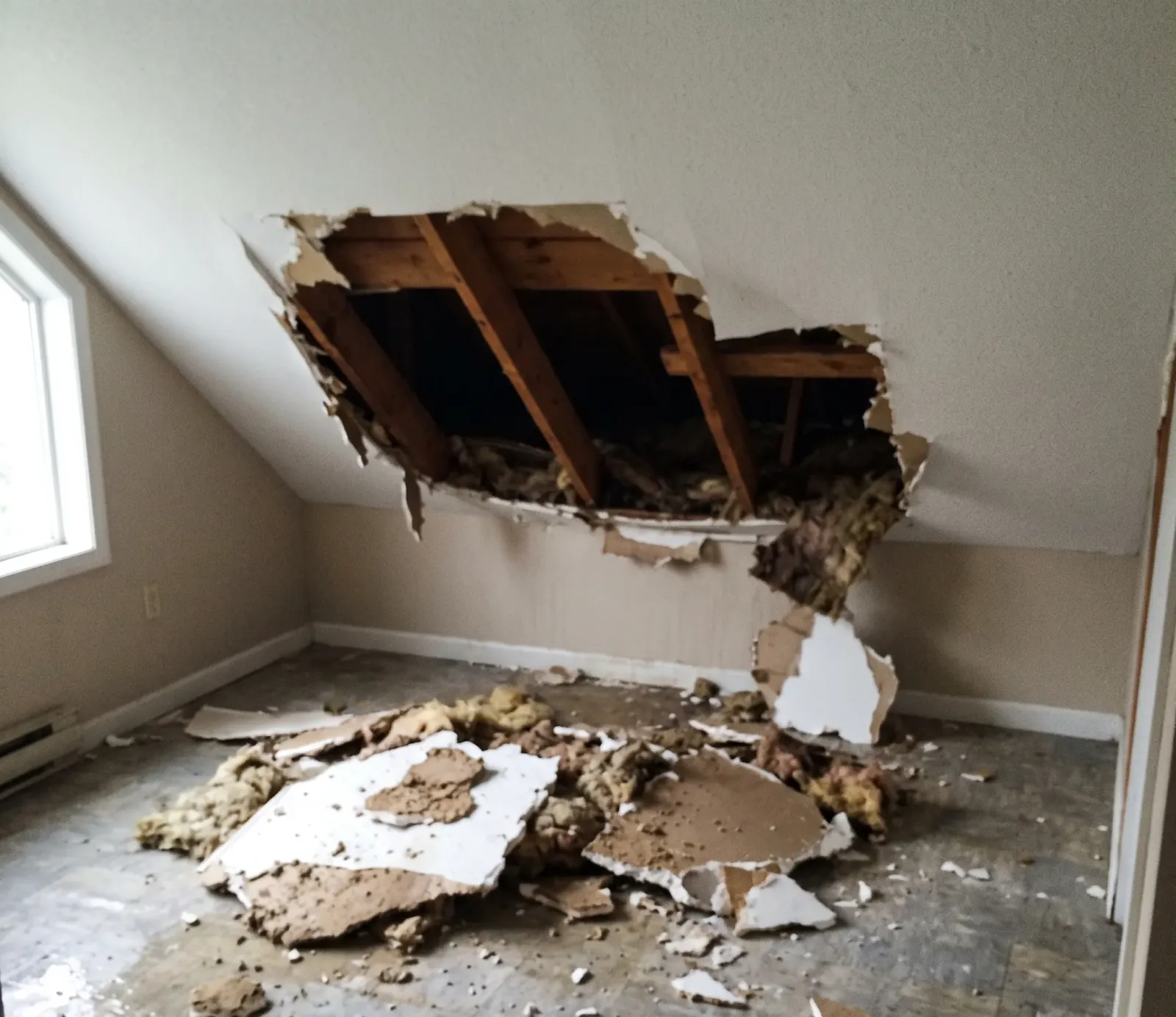
Rain can leave a ceiling heavy or unstable, especially where it sags, cracks, or sheds material. Keep people out from beneath it. Water near outlets, appliances, or wiring can also make a room unsafe. Wet flooring can conceal cords or debris that make it harder to move safely.
What Extraction Covers In Homes And Businesses
Note the water depth, affected rooms, and route for equipment; request a written breakdown from the pros we connect you with.This Tennessee guide covers standing-water removal; no verified local price band is available. Area, water volume, access, and requested work shape the estimate. The estimate should make clear whether the request covers standing water removal alone. Ask the pros we connect you with about any visit charge and confirm exact tasks in writing.To understand what shapes the total, open pricing guide; for prompt removal of pooled water, visit Carpet and Pad Water Extraction.