School and Campus Water Extraction
Campus Water Response
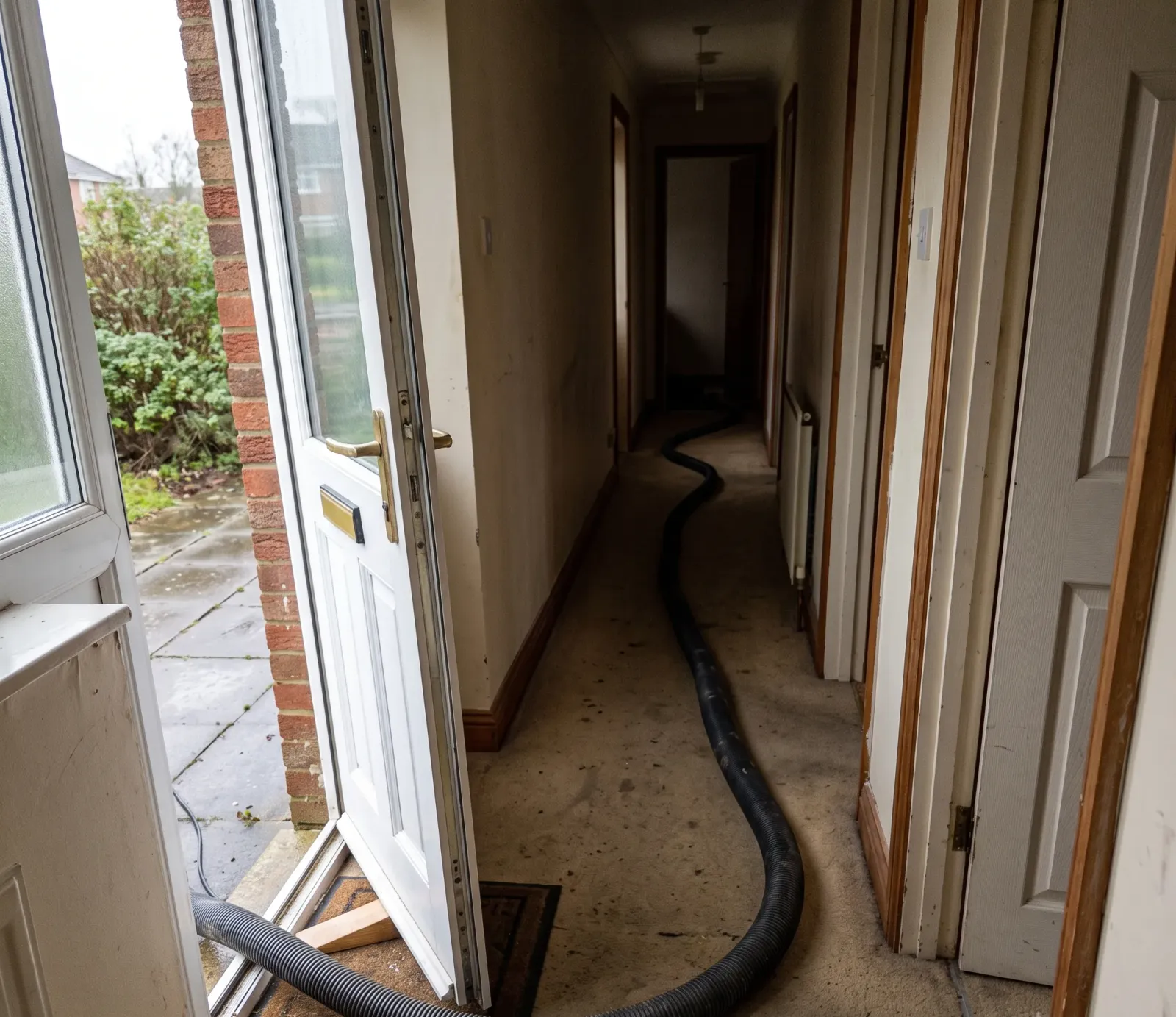
Coordinate hotel water extraction around access windows, occupied spaces, and the daily operations plan.
Hotels can arrange emergency water removal by listing wet rooms, event schedules, and access limits. Facilities and operations can agree on guest routes and a contact for changes. Then ask the pros we connect you with to explain the proposed work area and timing.
A leak or overflow can leave water in a room just before arrivals, or across a service route during a shift. In Tennessee, hotel water extraction planning starts with who needs access, which spaces are affected, and when guest activity makes a route difficult to close. Those details help the pros we connect you with discuss a removal plan that fits the property’s operating needs.
The work area may be a guest room, a lobby, or a back-of-house space. The number and location of affected areas, along with available routes and workable access windows, help shape the proposed scope. Tell the provider what is occupied and what can be temporarily restricted. This gives hotel operations and facilities a practical basis for discussing hospitality water removal without assuming every part of the property must stop operating.
Hotels serve guests with different plans across Tennessee. A property serving visitors to Great Smoky Mountains National Park may face different daily traffic patterns from one serving people visiting Fort Donelson National Battlefield or the Birthplace of Country Music Museum. Those landmarks do not predict a hotel’s schedule; your own occupancy, events, and service routines do. Share those details when arranging emergency hotel water removal.
Start with a floor-by-floor list of places where staff have seen water. Mark which locations are confirmed, which still need checking, and who can verify them. In Tennessee, that simple distinction helps facilities staff and hotel operations discuss the same incident instead of relying on separate reports. Include rooms, shared spaces, and staff-only areas when they are affected, and note any adjoining space that may need a closer look.
Then identify when people need to pass through nearby spaces. Check-in, housekeeping, meal service, and scheduled events can all affect whether a route can be closed at a given time. Ask the provider which access windows they can work with and how long a restricted route may be needed. A workable schedule should account for guests and staff while leaving safety decisions to qualified responders.
| Hotel area | Entry timing | Operating limits |
|---|---|---|
| Work area | Rooms, corridors, or service spaces involved | Shows where staff should redirect routine activity |
| Water spread | Pooling and nearby materials needing review | Helps the provider discuss the extraction boundary |
| Guest paths | Routes guests can use during removal | Allows staff to guide people around restricted space |
| Arrival route | Entry, equipment path, and staging point | Helps avoid overlap with deliveries and room service |
| Room availability | Rooms held while access is limited | Gives the front desk time to adjust assignments |
| Busy periods | Check-in, meals, and guest departures | Helps operations discuss a practical work window |
| Shift handoff | Completed areas and tasks awaiting attention | Keeps facilities and incoming staff aligned |
| Decision contact | Person who can confirm access changes | Gives the provider a clear point of contact |
Tell the provider which entrance is suitable for reaching the affected area and who can arrange access. Note elevators, locked doors, service corridors, or guest areas that the work route could cross. In Tennessee hotels, these details can help keep movement focused on the spaces needed for the removal work. Agree on a contact who can answer questions if access plans change during a shift.
Ask where hoses or equipment may need to travel and which nearby functions could be interrupted. The provider can explain what needs to stay clear while standing water is removed. If a hallway serves guests and staff, operations can consider a temporary alternate route or timing that avoids a busy period. Keep the arrangement specific to the affected area and the property’s current activity.
If water is near outlets, appliances, or wiring, keep guests and staff out of the affected area while electrical safety is uncertain. Do not send anyone through standing water to open a route or move equipment. In Tennessee, as elsewhere, ask qualified help to assess the hazard before access resumes. Guest convenience should not determine whether an unsafe space is reopened.
When several spaces are involved, ask the provider to explain the proposed order of work. Facilities staff can flag areas tied to essential hotel operations, while the operations lead can describe occupancy and timing constraints. Together, they can discuss which location needs attention first and whether access to another area can wait. The plan should reflect current conditions, not a fixed sequence assumed before the affected spaces are reviewed.
Before work begins, review the locations included in the removal scope with the provider. Point out any reported space that has not been inspected, and ask how changes will be handled if more affected areas are identified. Clarify that the agreed work covers standing-water removal. Source repair, contaminated-water cleanup, mold remediation, and rebuilding require separate attention when they apply.
During the response, make sure the facilities contact and operations lead receive the same practical updates. They need to know which spaces remain restricted, whether access routes have changed, and when the provider expects to revisit the plan. This shared picture helps staff guide guests and adjust hotel routines. Keep updates brief enough to pass along during a busy shift.
Choose a hotel contact who can make access decisions when the usual manager is unavailable. Give that person the affected-area list, entry instructions, and known operating constraints. Ask the provider how the property will receive updates if work overlaps a shift change. A clear handoff can prevent staff from giving guests outdated directions or reopening a route before the hotel has confirmed access.
Extraction removes standing water from the locations agreed with the provider. It does not repair the leak or establish that materials are dry or restored. Ask what the removal scope covers and what concerns remain for the hotel to address separately. Keeping those responsibilities clear helps facilities plan the next operational decision without treating water removal as the end of every response task.
To arrange emergency hotel water removal in Tennessee, prepare the affected-area list, access limits, and operating windows. Then ask an independent extraction provider to explain the proposed scope and coordination needs. The pros we connect you with can discuss how the work area will be reached and what hotel staff need to manage. Share updates with facilities and operations so both teams can coordinate around the agreed plan.
A pipe can fail during a busy check-in, or rain can leave water across a meeting room floor. In Tennessee, hotel water extraction works best when facilities and operations agree on timing before equipment moves. Note which spaces are occupied, when staff can reach them, and whether a guest event is underway. Share those details with the pros we connect you with, then confirm the areas and sequence they propose. A hotel near Pellissippi State Community College may face different access patterns than one near Great Smoky Mountains National Park. Keep the plan focused on safe routes and service continuity.
The Tennessee links below offer a starting point for checking reach. Water removal depends on the address and affected areas; ask the pros we connect you with about coverage, includingAdams, Adamsville and Afton. If your location is beyond the usual area, verify visit costs and request separate estimate entries for extraction and drying.
For a Tennessee warehouse, $700–$1,400 offers a reference point, not a site-specific total. The estimate can reflect the floor space affected, water volume, and repeat visits. Ask the pros we connect you with to state how any requested assessment or drying setup changes the written scope.Commercial estimates can change the equipment and labor list as the wet footprint grows or access narrows. For a useful comparison, make sure each estimate describes the same work areas. When calling, describe the business use, affected materials, and accessible areas.Full Emergency Water Extraction ranges appear in pricing guide; commercial overview shows how affected areas and materials shape commercial work.
Campus Water Response
Tennessee Restaurant Extraction
Medical Facility Removal
Set a clear boundary around the wet space and tell staff which entrance or corridor the work will use. Front desk staff can direct guests along a separate route, while facilities checks that signs and barriers remain in place. If wet outlets or equipment create an electrical concern, keep people away and seek qualified guidance before anyone enters.
Share the affected room names, any scheduled events, and hours when staff can provide access. Tell the provider about loading areas, elevators, and routes that cannot be blocked. In Tennessee, facilities and operations can agree on a contact who will answer questions if guest needs or room availability change.
Some hotel operations may continue if staff can keep guests and routine work away from the extraction path. Decide which services can run safely, and tell the front desk what guests should expect. If a meeting or meal service uses nearby space, coordinate its timing with the proposed equipment route.
If water appears in another room or shared space, tell the provider and facilities contact before the work plan continues. Update the room list and discuss whether the added area changes access or timing. Keep guests and staff clear of any newly affected space until its condition is assessed.
Share the hotel address, affected spaces, operating schedule, and access limits with an independent extraction provider before agreeing on timing.
Call (615) 281-3628