Healthcare Facility Water Extraction
Medical Facility Removal
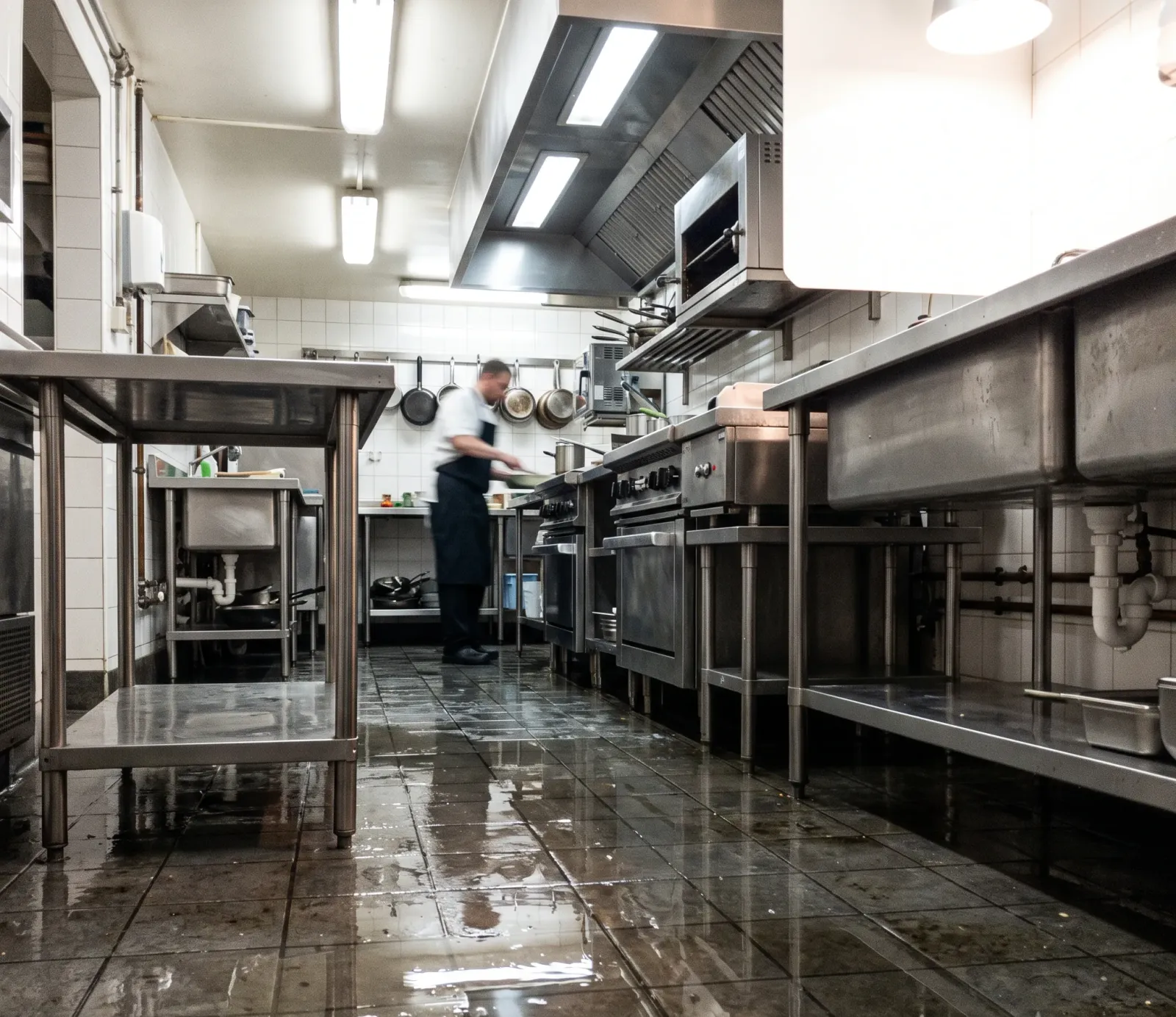
A Tennessee guide to restaurant water extraction, work boundaries, operating access, and drying follow-up.
Restaurant water extraction removes pooled water from agreed dining, kitchen, and service areas. The manager and provider coordinate boundaries and access around operations. Moisture checks and drying may follow separately; a written scope helps clarify what the removal covered.
A restaurant water emergency can turn a normal service day into a choice about which areas staff can use. In Tennessee, emergency water extraction means removing pooled water from affected restaurant spaces. The work begins with understanding where water stands and which areas need access first. Dining rooms, kitchens, and service routes can each affect how the restaurant operates. This page explains how to map those areas, agree on the removal work, and plan around daily operations. It also separates water removal from the drying or repairs that may follow.
You might notice water reflecting under tables, collecting beside a prep station, or crossing the path to the dish area. In Tennessee, those visible clues help staff describe what they found without guessing how far moisture traveled. Note which spaces appear wet, which remain in use, and where staff first saw water. A restaurant water emergency can touch work areas with different operating needs. Share those observations with the pros we connect you with, so the first conversation can focus on affected zones and access.
For Tennessee restaurants, extraction addresses standing water with equipment such as pumps or wet vacuums. Commercial kitchen water removal may need a different approach from open dining space, depending on water depth, floor layout, and equipment access. The commercial water extraction cost can shift with the volume present, the spread across rooms, surface conditions, and time needed to reach each zone. Ask what the estimate covers. Water removal alone does not establish that materials are dry, and source repairs or restoration remain separate work.
A useful zone list follows the workday rather than the building plan. In Tennessee, you can separate guest seating, cooking and prep areas, dishwashing space, storage, and service paths. Note where standing water is visible and where staff cannot safely enter. This helps the pros we connect you with discuss the work area with someone who understands restaurant operations. Across North Memphis Frayser and Raleigh, Stones River National Battlefield, and Hiwassee Scenic River State Park, the page speaks to statewide coverage without assigning flood risk to any address.
A hose, cart, or machine needs a clear route into the affected space. In Tennessee, a delivery entrance may serve staff and equipment, while a guest entrance may cross the wet area. Tell the provider which doors can be used and when deliveries, food preparation, or service need those paths. Decide who can move tables or pause activity in each zone. If wet outlets or equipment raise electrical concerns, keep people away and get qualified guidance before anyone enters.
| Area | Water location | Access needs |
|---|---|---|
| Guest seating | Water under booths or along wall edges | Mark seats and note floor boundaries |
| Hot line | Pooled water beneath counters or ranges | Flag equipment shutoffs and restricted approaches |
| Food preparation | Water crossing cutting and assembly stations | Identify surfaces staff must keep clear |
| Wash station | Water extending beyond the sink footprint | Coordinate around active cleaning duties |
| Walk-in entrance | Wet floor continuing beneath the door | Plan access around stock checks |
| Order handoff | Water crossing the counter approach | Set a staff route around the work |
| Supply storage | Water beneath racks or sealed cases | Record blocked floor sections and contents |
| Delivery entrance | Water reaching the receiving threshold | Coordinate unloading and extraction access |
Before work starts, ask the pros we connect you with to describe the removal boundary in ordinary terms. In Tennessee, that conversation should identify which dining, kitchen, storage, or service spaces they reviewed and which they will address. A lease representative, insurer, or inspector may ask what work was proposed and where it took place. Keep the estimate tied to the areas discussed. If staff could not enter a space, say so; a room outside the review should not be treated as assessed.
When the pump or wet vacuum leaves, water may still be held in flooring or material edges. In Tennessee, visible removal and drying are separate steps, so ask whether moisture checks or drying equipment are included in the proposed work. A written scope can help clarify that boundary for operations staff, a lease contact, or an insurer. Ask who will discuss any follow-up findings. Removing pooled water does not show that a floor, wall base, or other material has dried.
Cost for commercial water extraction depends on the conditions the provider finds. In Tennessee, the affected area, water amount, flooring, obstacles, and equipment route can all change the effort involved. A dining room with open access may differ from a crowded kitchen with narrow passages and fixed equipment. Ask the provider to connect the estimate to the zones they reviewed. If new areas appear after access changes, request an explanation of how that affects the agreed work before plans are revised.
Extraction can interrupt prep, dish handling, deliveries, or guest service. In Tennessee, an operations lead can decide which activity pauses in each affected zone and who needs notice. Lease contacts, insurers, or inspectors may ask what areas were involved, what removal work was planned, and whether access limited the review. A dated written estimate and photos may help share the work details. Keep the operational plan separate from decisions about repairs, food service, or reopening.
Records are easier to discuss when they match the spaces staff actually use. In Tennessee, label each affected area by function, such as guest seating, food preparation, or the route between them. Note any area that was blocked or unavailable for review. If a lease contact, insurer, or inspector asks about the work, a clear scope and photos can show what was observed and addressed. Avoid describing an entire restaurant as treated when the provider reviewed only part of it.
When visible pools are gone, ask whether the provider considers extraction finished in each agreed area. In Tennessee, the answer should match the boundary in the work discussion, including any space that remained inaccessible. Ask what was removed and whether the next step involves moisture assessment or drying. This gives operations staff a clearer handoff. It does not answer whether the restaurant can reopen or whether repairs are complete; those decisions need their own review.
A floor can look clear while dampness remains at seams, beneath equipment, or along a wall base. In Tennessee, ask whether follow-up moisture checks are available and which materials they cover. Drying equipment may be set after extraction when materials still hold moisture. Keep that work distinct from water removal in the scope and operations plan. If water may contain sewage or chemicals, tell the provider before work begins; cleanup for contaminated water requires a separate scope.
Before calling an independent provider in Tennessee, jot down the restaurant address, visible water locations, and entrances that can be used. Include which spaces must stay accessible for staff, deliveries, or food preparation. Mention any electrical concern or material the water may have contacted. You do not need to map the full building; a short zone list gives the pros we connect you with a practical starting point. Ask how they will review the affected areas and coordinate access with your operations lead.
After the call, compare the proposed work with your zone list. In Tennessee, ask which areas the provider could not inspect, what access they need, and how the scope will be recorded. Confirm whether the discussion covers standing-water removal alone or also moisture assessment and drying. If a lease contact, insurer, or inspector needs an update, ask what written estimate or work details the provider can supply. Then give staff a clear account of which spaces are included and what follow-up remains.
A drain can back up during prep, leaving a slick path from the cookline toward the dish area. In Tennessee, restaurant water extraction starts by defining which dining, kitchen, and service floors need pooled water removed. The operating setting varies across the state, from the Downtown Franklin Historic District to Pellissippi State Community College and the Tennessee Walking Horse National Celebration. Those landmarks do not define a restaurant’s layout; the manager and provider must identify its actual wet zones, routes, and restricted equipment. A written work boundary can help staff coordinate reopening and answer later questions from a lease contact or insurer.
Tennessee homes and businesses may need standing water removed; use the linked communities to ask whether the pros we connect you with can consider your property's location, includingAdamsville, Afton and Alamo. Before arranging a visit, check whether travel adds a fee and request separate written scopes for water removal and any later drying.
The licensed pros we connect you with can note which materials may need removal before the drying plan is finalized. Access to wet rooms and the amount of standing water can shift the scope. A written estimate can also show whether moisture assessment or drying equipment is requested.Commercial estimates can change the equipment and labor list as the wet footprint grows or access narrows. For a useful comparison, make sure each estimate describes the same work areas. When calling, describe the business use, affected materials, and accessible areas.Full Emergency Water Extraction ranges appear in pricing guide; commercial overview shows how affected areas and materials shape commercial work.
Medical Facility Removal
Campus Water Response
Tennessee Hotel Extraction
Separate the dining floor, cookline, dishwashing area, and service route on a simple site plan. Mark where water is visible and where it meets floor transitions or reaches beneath fixed counters. In Tennessee, commercial kitchen water removal should follow the actual wet footprint, which can differ from room labels. Keep a copy of the agreed boundary and note any newly discovered wet area before the provider changes the work plan.
Sometimes, dining can continue when the restaurant water extraction work area is separated from guests, staff, food preparation, and service paths. The pros we connect you with can identify affected dining, kitchen, and service zones, then discuss access with operations. Water can also affect flooring and lower wall materials, so the scope may include drying beyond the visible wet area. List closed areas and access limits, then ask an independent provider about extraction scope and coordination.
No. Removing visible water is one part of the response; moisture can remain in flooring or other materials. Ask whether a moisture check and drying equipment are planned as follow-up, and who will confirm the next step. Reopening decisions may also involve your own food-safety and operating procedures. The extraction visit alone does not establish that every affected material is dry or ready for normal use.
Extraction removes standing water from the agreed surfaces, but it does not resolve every question a lease contact, insurer, or inspector may raise. Keep the written scope and estimate with your incident records, and note any change in the affected area or planned follow-up. Moisture assessment and drying may be separate work. If water is still entering, the source needs separate attention before the removal plan can address the full situation.
List the wet zones, restricted equipment, and operating constraints, then ask an independent provider to discuss extraction scope and coordination.
Call (615) 281-3628